


Culture & Traditions
Aruba Culture & Traditions: A Colorful Blend of Heritage and Island Pride
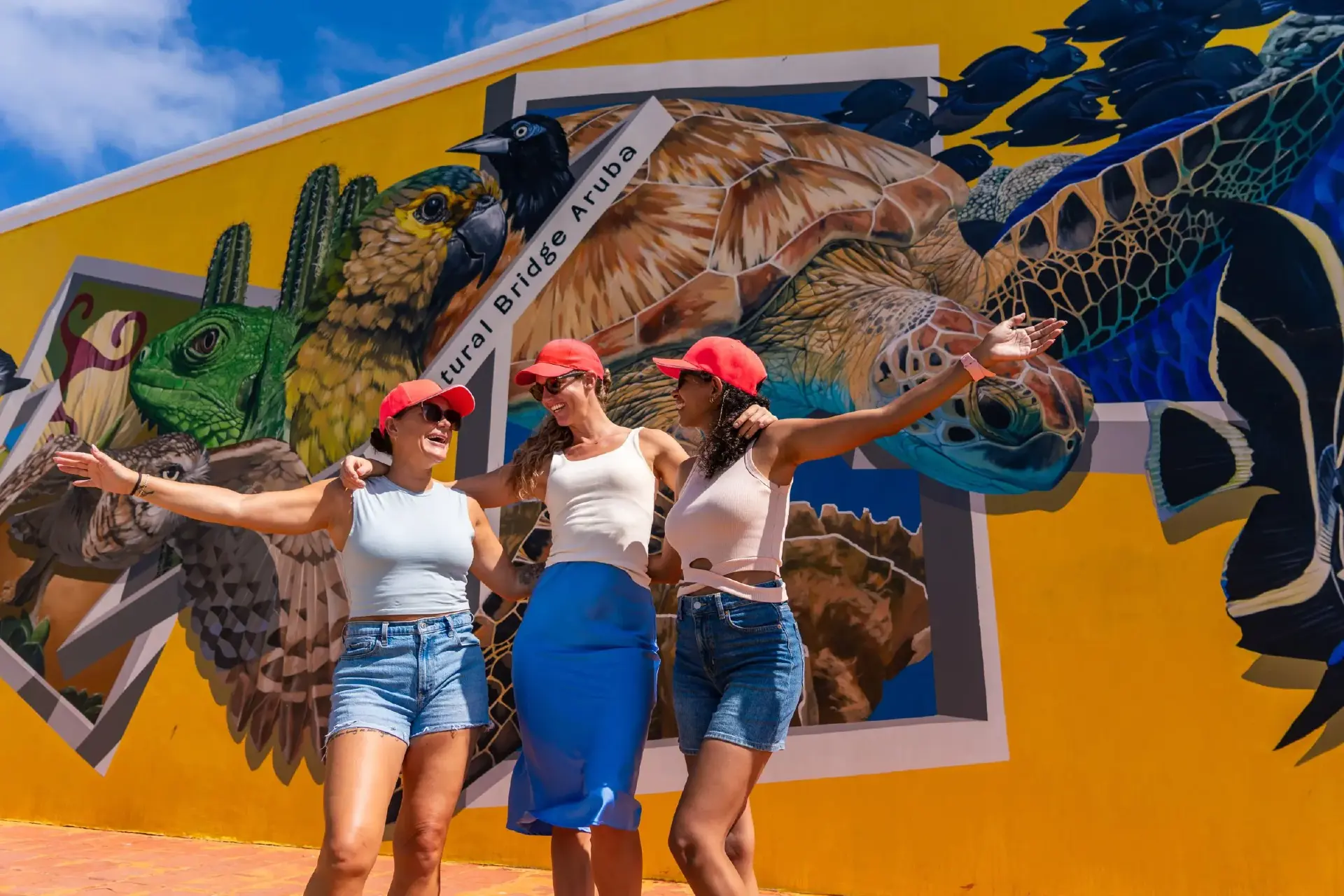
Aruba’s culture is shaped by centuries of stories, traditions, flavors, rhythms, and people from all over the world. What makes the island truly special is how these influences blend seamlessly with the warmth and pride of the Aruban community. Whether through music, food, language, or celebration, Aruba’s cultural spirit is something visitors feel everywhere they go.
A Multicultural Island
Aruba’s population of over 107,000 residents reflects more than 40 nationalities, including families with roots in South America, the Caribbean, Europe, and Asia.
The earliest inhabitants, the Arawak Indians, were fishermen and farmers who left behind cave paintings and rock art - still visible today and offering a window into the island’s past.
Generations of newcomers added their own customs and traditions, creating the vibrant cultural blend that defines Aruba today.
Languages Spoken in Aruba
Aruba is proudly multilingual. The island’s official languages are Papiamento and Dutch, but English and Spanish are widely spoken as well, making it easy for visitors from around the world to connect with locals.
Papiamento - The Language of the Heart
Warm, expressive, and full of character, Papiamento developed on the ABC Islands and blends elements of Portuguese, Spanish, Dutch, English, African languages, and Indigenous roots. It is spoken in daily life and remains a cherished part of Aruban identity.
Dutch is used primarily in administration and education, while English and Spanish are commonly used in tourism and everyday interactions.
Learn Some Papiamento Before You Arrive
- Welcome to Aruba = Bon bini na Aruba
- Good morning = Bon dia
- Good afternoon = Bon tardi
- Good evening = Bon nochi
- Happy week = Bon siman
- How are you? = Con ta bay?
- Really good! = Hopi bon!
- I’m fine, how are you? = Mi ta bon, conta cu bo?
- I have a question = Mi tin un pregunta
- Please = Por fabor
- Thank you very much = Masha danki
- Goodbye = Ayo
- Sweet / lovely = Dushi
Dushi is one of the island’s most beloved words. People, food, beaches, sunsets - everything wonderful can be described as dushi.
Aruba Rhythm and Celebrations
Music and dance are at the heart of Aruban life. Traditional styles such as dande, tumba, waltz, mazurka, and the iconic steel drums showcase the island’s Caribbean and European influences.
Performances like Baile di Cinta (ribbon dance) and the patriotic Dia di Himno y Bandera (National Anthem & Flag Day) celebrate Aruba’s heritage. On this special day, the island shines in symbolic colors:
- Blue – the sea
- Red – love and Brazilwood
- Yellow – abundance
- White – purity and Aruba’s soft sandy beaches
Carnival – Aruba’s Most Spectacular Celebration
Each January, Carnival transforms Aruba into a world of color and excitement. For weeks, streets fill with lively music, feathers, glittering costumes, and dazzling parades.
Carnival events include:
- Street parties and jump-ins
- Calypso and road march competitions
- King & Queen elections
- Children’s parades
- Jouvert Morning – a pre-dawn celebration loved by locals
- The Grand Carnival Parades in Oranjestad and San Nicolas
It’s a season of unity, creativity, and joy - a cultural experience visitors never forget.
These celebrations show exactly why Aruba is known for its joyful, community-focused spirit. Check out our events calendar for the events during your travel period.
Homes and Heritage
Aruba’s architectural story begins with cunucu homes built from cactus branches, mud, kwihi wood, and hay. These homes still dot the countryside as reminders of early island life shaped by farmers and fishermen.
Colorful traditional attire - embroidered blouses, flowing skirts, and neatly tied headwraps - remains an important part of cultural celebrations.
Aruba’s transition into a modern society was shaped in part by the oil refinery in San Nicolas, which brought economic growth and new cultural influences. Today, the Museum of Industry tells the story of Aruba’s evolution from gold and aloe industries to oil and tourism.
Taste of Tradition
Aruba’s cuisine is a celebration of creativity, resilience, and blended cultures. Passed down through generations, many dishes remain central to family gatherings and holidays.
Local favorites include:
- Pan bati – a soft, traditional Aruban bread
- Funchi – a comforting cornmeal dish
- Cabrito stoba – goat stew rich with herbs and spices
- Sopi di oester – a flavorful oyster soup
- Bolo preto – a beloved black cake often served at celebrations
- Ayacas – a Venezuelan-inspired holiday dish wrapped in plantain leaves
Each dish tells a story of heritage, migration, and Caribbean creativity.
A Living Legacy
Arubans take pride in protecting their identity while embracing the island’s multicultural evolution. With over 100 nationalities together on one small island, community values such as warmth, creativity, resilience, and unity shine through in every festival, meal, tradition, and smile.
Aruba’s culture is not just preserved - it is lived, shared, and celebrated every day.
Religion in Aruba
Aruba embraces religious freedom, and visitors will find a peaceful mix of faiths across the island. The population is predominantly Roman Catholic, followed by Protestant communities, Jehovah’s Witnesses, Adventists, Evangelicals, Hindus, Muslims, and Jews.
Notable Places of Worship:
- St. Anna Church (Noord)
- St. Franciscus Church (Oranjestad)
- San Nicolas Catholic Church
- Protestant Church of Oranjestad
- Church of Christ (San Nicolas)
- Kingdom Hall of Jehovah’s Witnesses (Noord, Santa Cruz, Savaneta)
- Beth Israel Synagogue (Oranjestad)
Many offer services in English and welcome visitors. Ask your hotel for the most up-to-date schedules.
Experience Aruba’s Culture
From a lively Carnival parade to a simple greeting of Bon dia from a local, Aruba’s culture invites you to slow down, connect, and feel at home. Let the rhythms, flavors, languages, and traditions guide you through an authentic island experience filled with warmth and Aruban pride.
Ready to explore Aruba’s culture beyond the beaches?
Aruba’s cultural experiences are closely connected to its history, landscapes, and everyday island life. Most cultural exploration takes place through guided sightseeing and island tours.
During these tours, visitors travel by bus through areas such as Arikok National Park, historic districts, and rural parts of the island, while guides share stories about Aruba’s heritage, traditions, and way of life. This offers an accessible way to understand the island’s culture while seeing its most important landmarks.
Explore Aruba’s cultural and sightseeing tours to find the experience that suits you best.
Browse and Book our Top Activities


 2 hours
 2.5 hours

 4 hours
 5 to 6 hours
 4 hours
 15 min
 8 hours
 3 hours
 8 hours

 4 hours
_-_verkleind.jpg?width=720&version=17024) 5 hours
5 hours
Sorry, no posts matched your criteria.