




Weather, Climate & Geography
Weather, Climate & Geography of Aruba
Aruba is known for its consistently sunny weather, warm temperatures, and open, windswept landscapes. Located just outside the hurricane belt, the island enjoys a stable climate that makes outdoor activities possible throughout the year. From calm, clear waters along the west and south coasts to rugged terrain in the interior, Aruba’s geography plays an important role in shaping its weather patterns and overall atmosphere.
What to Expect From Aruba’s Climate
- Warm temperatures year-round, generally between 27°C and 33°C (80°F – 91°F).
- Abundant sunshine with very few overcast days.
- Cooling northeast trade winds that help regulate the heat.
- Low annual rainfall compared to most Caribbean islands.
- Warm seawater averaging around 27°C (81°F).
- Located outside the hurricane belt.
Aruba Weather and Climate Overview
Aruba has a semi-arid tropical climate, combining dry conditions with steady warmth. Rainfall is limited, and when showers occur, they are usually short-lived. This reliable weather is one of the main reasons Aruba is considered an easy and predictable destination for travelers.
-
Rainy Season
Travelers renting a car during these months should be cautious, as standing water may hide potholes and make roads slippery.
-
Dry Season
From February through September, Aruba experiences extended dry periods with consistent sunshine and minimal rainfall. These months are well-suited for beach activities, water sports, and exploring the island’s natural landscapes.
-
Trade Winds
The steady northeast trade winds blow year-round and are especially noticeable from January to August. These winds keep temperatures comfortable and create favorable conditions for activities such as sailing, kitesurfing, and windsurfing.
Geography of Aruba
Despite its relatively small size, Aruba offers a surprising variety of landscapes. The island covers approximately 181 square kilometers (70 square miles), stretching about 31.5 km (19.6 miles) from north to south and roughly 9.6 km (6 miles) at its widest point.
-
Terrain & Natural Areas
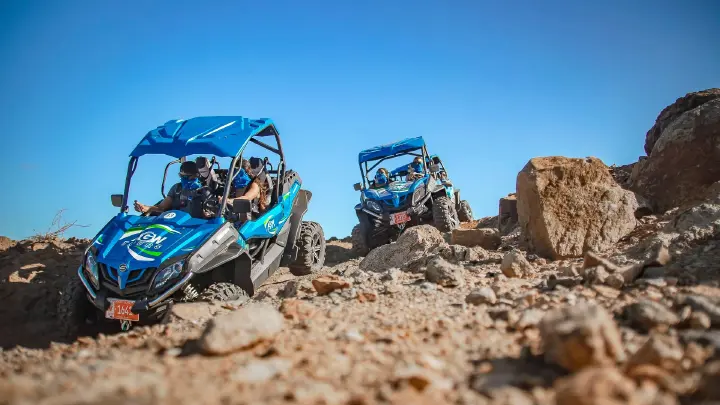
Much of Aruba’s interior is arid and rocky, known locally as the mondi. This landscape is characterized by cacti, divi-divi trees shaped by the wind, and volcanic rock formations. The island’s highest point is Mount Jamanota at 188 meters, located within Arikok National Park.
Arikok National Park protects a large portion of the island and features hills, caves, natural pools, and desert scenery that contrast sharply with Aruba’s beach-lined coasts.
-
Northern & Eastern Coasts
The north and east coasts of Aruba are wild and windswept, shaped by strong trade winds and powerful waves. Limestone cliffs, rocky shorelines, and rough seas dominate this side of the island, offering dramatic views and a more rugged atmosphere.
Travelers interested in exploring these less accessible areas often choose guided off-road tours, which allow access to remote trails, coastal viewpoints, and natural landmarks that are difficult to reach independently.
-
Western & Southern Coasts
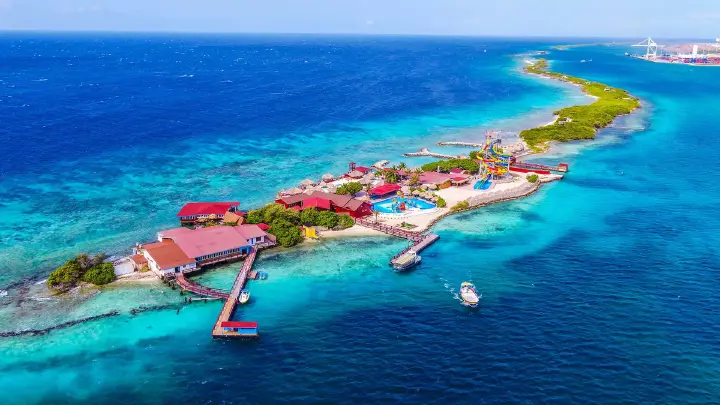
Aruba’s western and southern shores are known for their calm, clear waters and long stretches of white-sand beaches. Sheltered from strong winds and waves, these coasts are ideal for swimming, snorkeling, and relaxing by the sea. Many of Aruba’s most popular beaches and resorts are located along this coastline.
Visitors looking to explore Aruba’s beaches in more detail can find additional information through our dedicated beach guide.
For such a compact island, Aruba offers a wide range of natural environments, from tranquil beaches and turquoise waters to untamed desert landscapes and rugged coastlines. This diversity makes the island appealing to travelers who enjoy both relaxation and exploration, all within a consistently warm and sunny climate.
Whether you’re exploring the rugged landscapes or soaking in the sunshine, remember to protect your skin and the marine environment by using reef-safe sunscreen. Small choices help preserve Aruba’s underwater paradise for generations to come.
Browse and Book our Top Activities

 2 hours
 2.5 hours

 4 hours
 5 to 6 hours
 4 hours
 15 min
 8 hours
 3 hours
 8 hours

 4 hours
_-_verkleind.jpg?width=720&version=17024) 5 hours
5 hours
Sorry, no posts matched your criteria.