When is mosquito season in Aruba?
Mosquitoes are around all year, but how many you see depends on the rain. Aruba gets most of its rain from October to December. Puddles and wet plant pots become breeding spots, and a few days later there are more mosquitoes. From January to September the island is dry and the trade winds blow steadily, which keeps numbers low.
Planning your dates? See the best time to travel to Aruba.
When you notice them most
The Aedes mosquitoes that can carry Dengue and Zika are daytime biters. Use repellent during the day as well, not only at night.
Dengue, Zika and other mosquito illnesses in Aruba
Two species matter on Aruba: the yellow fever mosquito (Aedes aegypti) and the Asian tiger mosquito (Aedes albopictus). Only the females bite. Most bites are just itchy, but these species can carry the viruses below.
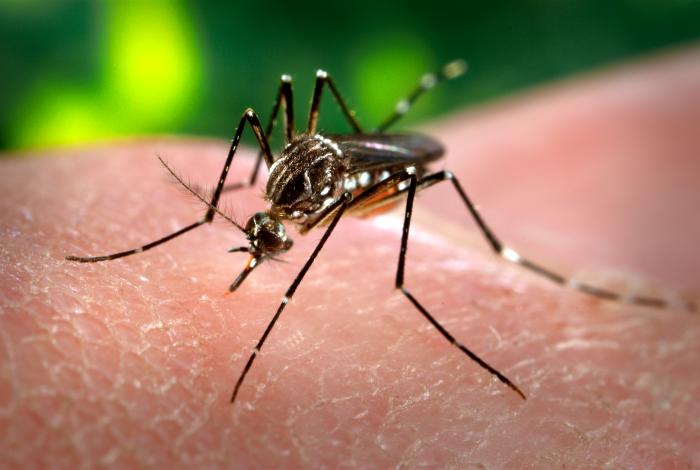
Small and dark, with black and white stripes on the legs and body. They fly low and like to bite ankles and feet.
Photo: James Gathany, CDC (public domain)No outbreak in Aruba. The health department (DVG) sees only a few cases and checks the numbers every week. There are Dengue and Chikungunya outbreaks elsewhere in the region, so protecting yourself still matters.
Dengue in ArubaOnly isolated cases in recent years. Pregnant or planning a pregnancy? Talk to your doctor before you travel.
Zika in ArubaNo active cases on the island. You only need a vaccination certificate if you arrive from, or traveled through, a country with yellow fever.
Health & vaccination rulesStatus October 2026, based on the Aruba health department (DVG). For the latest advice, also check your government's travel advice before you leave.
Why visitors get bitten more than locals
Travelers often notice more bites than people who live here. Your skin is not used to the local mosquitoes yet, so bites swell and itch more. You also spend more time outside, often in the late afternoon. Locals get bitten too, they just barely react.
Where mosquitoes are, and where they are not

More mosquitoes
- Near standing water, puddles and plant pots
- Warm, humid gardens and terraces
- Shady places without a breeze
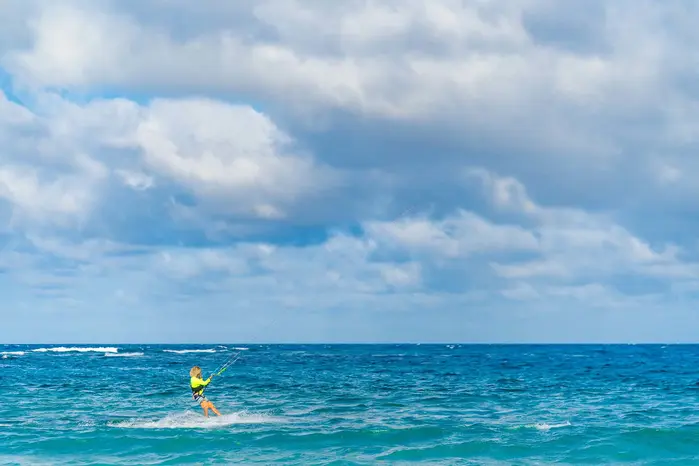
Fewer mosquitoes
- On the beach, with the sea breeze
- In air conditioned rooms
- Cool, dry places indoors
 The breezy beach is your friendFind the best beaches on Aruba, from calm bays to windy coves.Aruba beaches
Which mosquito repellent works best in Aruba?
The best protection is a good repellent plus a few simple habits. Two types work well in the tropics:
| DEET | Picaridin (icaridin) | |
|---|---|---|
| Best for | Most travelers Strongest | Sensitive skin and children |
| Strength | 30% for most people, 40 to 50% for maximum protection | 20% |
| Smell and feel | Noticeable smell, a bit oily | No smell, light on the skin |
| Reapply | After swimming or heavy sweating | A bit more often |
| Kids | Maximum 30% | Good choice |
Less than 30% DEET gives limited protection. More than 50% does not protect better.
DEET is the oldest and most tested mosquito repellent, used since the 1950s. It works very well, but it has a smell and can damage plastic, like sunglasses and watch straps.
Picaridin (also called icaridin) is newer and based on a substance from the pepper plant. At 20% it protects about as well as DEET, has no smell and feels lighter on your skin. Both are recommended for travel to the tropics.
How to use it
- Put on sunscreen first and let it soak in, then apply repellent.
- Reapply after swimming, snorkeling or heavy sweating.
- Skip sunburned or irritated skin.
- For children, use a maximum of 30% DEET or a picaridin spray.

I always keep a small repellent spray in my beach bag. On the beach the wind keeps them away, but the moment you sit down for dinner on a terrace at sunset, they find you.
Your mosquito kit for Aruba
Everything we would pack ourselves. Buy it before you go: on the island repellent costs more and the choice is smaller. Tip: pump sprays and lotions are easier in your luggage than aerosol cans.
We earn a small commission when you buy through these links, at no extra cost to you. It helps us keep this guide free.
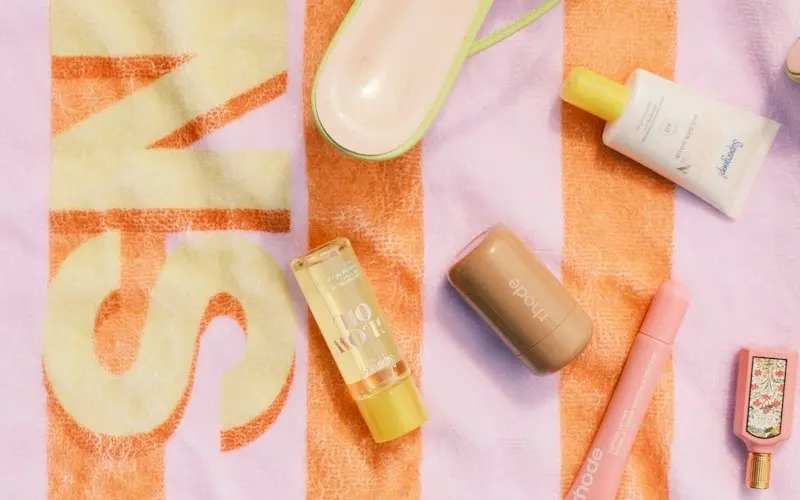 Packing for Aruba?Our full packing list, from reef safe sunscreen to beach shoes.Packing list
Simple habits that help
Frequently asked questions
Does Aruba have a lot of mosquitoes?
Not most of the year. Aruba is dry and windy, so from January to September you see few mosquitoes. After rain, mostly October to December, there are more.
Is there Zika in Aruba?
Zika has been rare in recent years, with only isolated cases reported. Read more on our page about Zika in Aruba.
Is there Dengue in Aruba right now?
Not as an outbreak. In October 2026 the Aruba health department (DVG) reports a low and stable number of cases. There are outbreaks elsewhere in the region, so do use repellent. See Dengue in Aruba for symptoms and what to do.
When is mosquito season in Aruba?
October to December, the short rainy season. Mosquitoes are also more active for a few days after any rain shower.
What is the best mosquito repellent for Aruba?
A repellent with 30% DEET works for most travelers. Picaridin (20%) is a good alternative for sensitive skin and children.
Do I need vaccinations for Aruba?
Most travelers do not. Only if you arrive from, or traveled through, a country with yellow fever, you need a vaccination certificate. See the health and vaccination rules.
Are there other bugs in Aruba?
Mosquitoes are the main one. On calm days around sunrise and sunset you can also meet mimpiri: tiny biting sand flies, also called no-see-ums, mostly near mangroves and sheltered beaches. The same repellent helps against them.
Are mosquitoes worse at night?
Not for the species that carry Dengue and Zika. They bite mainly during the day, especially in the early morning and late afternoon.