Is there a dengue outbreak in Aruba?
No. In October 2026 the Aruba health department (DVG) reports only a few dengue cases per week, and the number is stable. The DVG keeps track of the cases every week and acts quickly when numbers go up.
Dengue is common in the whole Caribbean and Latin America, and several countries in the region have outbreaks right now. Numbers on Aruba usually rise a bit in the rainy season, October to December, when there are more mosquitoes. Read more about mosquitoes and the mosquito season in Aruba.
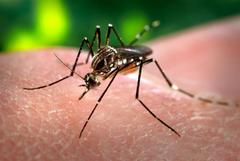
The Aedes mosquito is most active in the early morning and late afternoon, not only at night. So use repellent during the day too.
Status October 2026, based on the Aruba health department (DVG). Check your government's travel advice before you leave for the latest situation.
Dengue symptoms
Many people with dengue have no or only mild symptoms. If you do get sick, it often starts suddenly with a high fever. Typical signs are:
How dengue usually goes
- Severe belly pain or vomiting that does not stop
- Bleeding from the gums or nose, or blood in vomit or stool
- Fast breathing, feeling very weak, restless or drowsy
- Cold or clammy skin
What to do if you think you have dengue
There is no medicine against the dengue virus itself. Treatment helps your body through the fever. These steps help:
- Rest as much as you can.
- Drink plenty of water and oral rehydration salts (ORS).
- For fever and pain, take paracetamol (acetaminophen).
- Do not take ibuprofen, naproxen or aspirin. They raise the risk of bleeding with dengue.
- See a doctor, who can test for dengue with a blood test.
- Keep using repellent, so mosquitoes do not pass the virus on to others.
Where to find a doctor in Aruba
Your hotel can call a general practitioner (huisarts) for you. For urgent care, go to the emergency room of Dr. Horacio E. Oduber Hospital (HOH) in Oranjestad, or call 911. Good travel insurance makes a doctor visit abroad much easier.
How to prevent dengue in Aruba
The best way to avoid dengue is to avoid mosquito bites. Use a repellent with 30% DEET or 20% picaridin, also during the day. Keep the air conditioning on in your room, and wear light, long clothes at dusk.
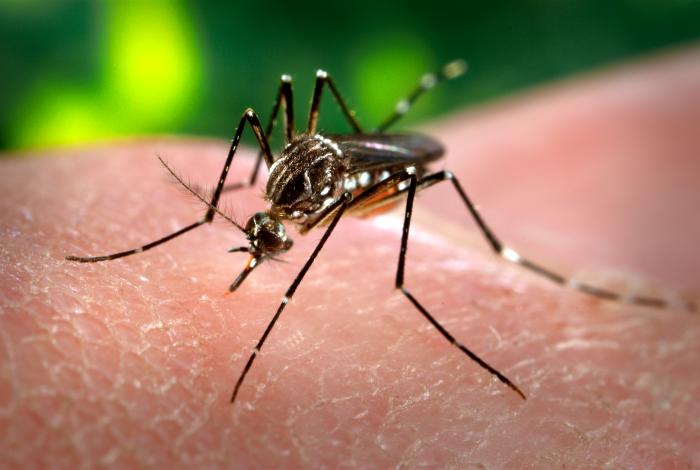 Mosquitoes in ArubaWhen they bite, where they are and which repellent works best.Read more

I always keep a small repellent spray in my beach bag. On the beach the wind keeps them away, but the moment you sit down for dinner on a terrace at sunset, they find you.
Your mosquito kit for Aruba
The basics we pack ourselves to keep dengue mosquitoes away. Buy them before you go: on the island the choice is smaller.
We earn a small commission when you buy through these links, at no extra cost to you. It helps us keep this guide free.
 Zika in ArubaIs there Zika on the island, and what if you are pregnant?Zika in Aruba
 Packing for Aruba?Our full packing list, from reef safe sunscreen to beach shoes.Packing list
Frequently asked questions
Is there dengue in Aruba right now?
Dengue occurs in Aruba, but there is no outbreak. In October 2026 the health department (DVG) reports a low and stable number of cases.
Is it safe to travel to Aruba because of dengue?
Yes. Millions of visitors travel to Aruba without problems. The risk is small, and you can lower it further with a good repellent and air conditioning in your room.
How do you get dengue?
Through the bite of an infected Aedes mosquito. Dengue does not spread directly from person to person.
What are the first signs of dengue?
A sudden high fever, a severe headache, pain behind the eyes and muscle or joint pain, usually 4 to 10 days after a bite.
Can I take ibuprofen if I might have dengue?
No. Take paracetamol (acetaminophen) for fever and pain, and avoid ibuprofen, naproxen and aspirin until a doctor has ruled out dengue.
Can you get dengue twice?
Yes. There are four types of the dengue virus. A second infection with another type can be more serious, so if you had dengue before, protect yourself extra well.
Is there a dengue vaccine?
In some countries a vaccine is available for travelers. Whether it is useful for you depends on your age, your health and whether you had dengue before. Ask your doctor or a travel clinic.
Do I need vaccinations for Aruba?
Most travelers do not. You only need a yellow fever certificate if you arrive from, or traveled through, a country with yellow fever. See the health and vaccination rules.