How common is Zika in Aruba?
Zika has been rare in Aruba in recent years. A small number of isolated cases were found in 2024, and there is no widespread spread of the virus on the island. The Aruba health department (DVG) keeps track of mosquito illnesses every week.
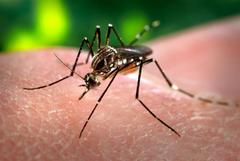
Zika is spread by the same Aedes mosquito that carries dengue. It bites mainly during the day. So the advice is the same: use a good repellent, also in the daytime. Read more about mosquitoes in Aruba.
Status October 2026, based on the Aruba health department (DVG). Check your government's travel advice before you leave for the latest situation.
Zika and pregnancy
For most people Zika is a mild illness. During pregnancy it is different: an infection can cause serious birth defects in the baby. That is why health authorities give extra advice to pregnant travelers and couples who want to get pregnant.
- Talk to your doctor or midwife before you book your trip.
- Protect yourself extra well against bites, day and night.
- Zika can also spread through sex. Use condoms during the pregnancy if your partner traveled too.
- Trying to conceive? Many health authorities advise waiting 2 months after the trip, or 3 months if the man traveled.
There is no outbreak in Aruba, so the risk is small. Because the consequences can be serious, it is still wise to discuss your trip with your doctor. Check the latest advice from your own health authority too.
Zika symptoms
Many people with Zika do not notice anything. If you do get symptoms, they are usually mild:
How Zika usually goes
What to do if you think you have Zika
There is no medicine against Zika itself, and no vaccine. These steps help:
- Rest and drink plenty of water.
- For fever and pain, take paracetamol (acetaminophen).
- Do not take ibuprofen, naproxen or aspirin until a doctor has ruled out dengue.
- See a doctor, certainly if you are pregnant. A blood test shows if it is Zika or dengue.
- Keep using repellent in the first week, so mosquitoes do not pass the virus on.
How to prevent Zika in Aruba
The best protection is to avoid mosquito bites. Use a repellent with 30% DEET or 20% picaridin, also during the day. Keep the air conditioning on in your room and wear light, long clothes at dusk.
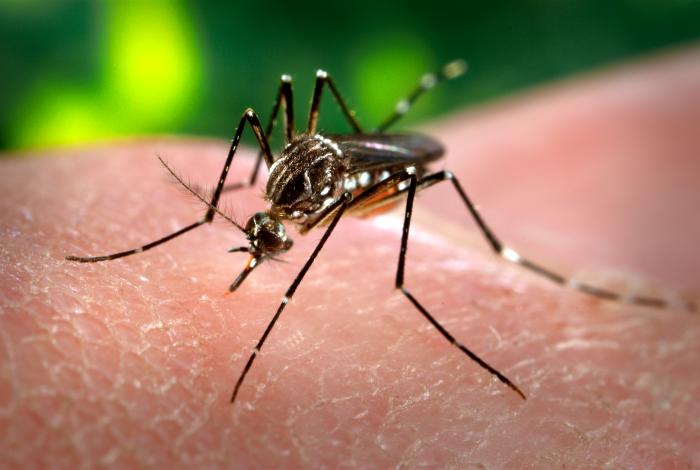 Mosquitoes in ArubaWhen they bite, where they are and which repellent works best.Read more

I always keep a small repellent spray in my beach bag. On the beach the wind keeps them away, but the moment you sit down for dinner on a terrace at sunset, they find you.
Your mosquito kit for Aruba
The basics we pack ourselves to keep Zika and dengue mosquitoes away. Buy them before you go: on the island the choice is smaller.
We earn a small commission when you buy through these links, at no extra cost to you. It helps us keep this guide free.
 Dengue in ArubaIs there dengue right now, and what are the warning signs?Dengue in Aruba
 Packing for Aruba?Our full packing list, from reef safe sunscreen to beach shoes.Packing list
Frequently asked questions
Is there Zika in Aruba?
Zika is rare in Aruba. Only a few isolated cases were found in recent years, and there is no outbreak on the island.
Is it safe to travel to Aruba when pregnant?
The risk of Zika is small, because there is no outbreak. But Zika can harm an unborn baby, so talk to your doctor or midwife before you book, and protect yourself well against bites.
Can I travel to Aruba if I am trying to get pregnant?
Yes, but discuss it with your doctor. Many health authorities advise waiting 2 months after the trip before trying, or 3 months if the man traveled.
How is Zika spread?
Mostly through the bite of an infected Aedes mosquito. It can also spread through sex, and from a pregnant woman to her baby.
What are the symptoms of Zika?
Many people have no symptoms. Others get a mild fever, a rash, joint pain or red eyes, usually 3 to 14 days after a bite.
Is there a Zika vaccine?
No, there is no vaccine against Zika yet. Avoiding mosquito bites is the only protection.
Is there dengue in Aruba?
Dengue occurs in Aruba, but there is no outbreak right now. Read more on our page about dengue in Aruba.
Do I need vaccinations for Aruba?
Most travelers do not. You only need a yellow fever certificate if you arrive from, or traveled through, a country with yellow fever. See the health and vaccination rules.